- We are ready to help. Call Us!
 03 9738 2000
 - Get in Touch
03 9738 2000Maroondah Electrical is dedicated to expanding our service coverage to meet the needs of our customers. Meanwhile check My Sparkie Electrician, a trusted name in the industry, to provide reliable electrical services in Sydney.
Need a quote? Give us your information below and we will get back to you.


A common question we often get from many first-time EV owners is “do I need a dedicated circuit for an EV charger?” If you’ve found yourself wondering the exact same thing, we’re here to provide some answers.
Electrical vehicle chargers interact with your home’s electrical system in ways that demand careful planning, correct protections, and strict compliance with Australian standards. As a result, they must be installed correctly in accordance with industry guidelines.
Keep reading to learn more!
From Tesla to Audi, BMW, BYD, and more, electric vehicles have become more and more of a common sight on our roads. In fact, according to a recent EVC article, “electric vehicle sales in Australia reached an all-time high in 2024” (Source).
Wondering whether your home can support an EV charger? The first thing to understand is the Australian regulations themselves. Under AS/NZS 3000:2018, which are the wiring rules that apply nationwide, EV charging equipment (referred to formally as EVSE (Electric Vehicle Supply Equipment) must be wired to a dedicated final sub-circuit.
This requirement is also reinforced by the Electric Vehicle Council (EVC), which works closely with the industry to promote consistent and safe installations across the country. Their position is clear: every EV charger, regardless of type or size, needs its own dedicated circuit.
These aren’t optional recommendations or best-practice guidelines, but rather mandatory rules designed to prevent overloading and keep everyone safe.
“My home has plenty of available power, so adding an EV charger shouldn’t cause too many issues with the circuit, right?” Wrong. An EV charger actually behaves quite differently from most everyday household appliances. For example, a typical single-phase charger can draw up to 32 amps for hours at a time, which is a level of consumption regular household devices don’t reach on a consistent basis.
For that reason, Australia-wide standards require EV chargers to operate independently from:
Allowing an EV charger to share a circuit could lead to overheating, nuisance tripping, voltage drops, or premature damage to cabling. A dedicated circuit removes that risk entirely and gives the charger its own protected pathway back to the switchboard.
One of the biggest differences between EV chargers and traditional home appliances is the need for specialised protection. Installing a dedicated circuit is only the first requirement; the new circuit must always include the correct protection mechanisms. Let’s take a look at these now:
A circuit breaker prevents the EV charger from drawing more current than the wiring can safely handle. In order to achieve this, its rating must align with:
For example, many 32 A chargers require a minimum 6 mm² copper cable, which directly influences the breaker size.
EV chargers introduce the risk of DC leakage, which can affect how standard RCDs operate. Under AS/NZS 3000 Appendix P, two options exist:
Type A RCD, but only when the charger includes built-in DC leakage detection
Type B RCD when the charger does not have that detection capability
Electricians often opt for an RCBO, which combines both a circuit breaker and an RCD in one device.
Although not required under current standards, an isolation switch near the EVSE is strongly recommended by the Electric Vehicle Council. Some states are already moving towards making it compulsory.
An isolation switch allows for:
Although it might seem like a small addition, it will significantly improve long-term safety.
The wiring used for an EV charger must comply with AS/NZS 3008.1.1, the standard that details cable current-carrying capacity, derating factors, and installation methods.
Several elements influence the final cable size:

Most homeowners only come across Level 1 and Level 2 chargers, but it’s worth knowing all the various levels to fully understand why installation requirements tend to vary so much.
Level 1 charging uses a normal household outlet. Although it requires no hard-wiring, it offers the slowest charging rate (approximately 10–12 km of range per hour)
Best suited for: PHEVs (plug-in hybrids), emergency or occasional charging, and situations where overnight charging is enough.
Level 1 is accessible but not ideal for full EVs with larger battery packs.
This is the most common home charging option currently used in Australia.
Capable of a charging rate between 35–130 km of range per hour, it’s also compatible with single-phase or three-phase supply, tethered or untethered setups, Type 2 connectors, and solar integration for smarter charging.
Level 2 chargers must be hard-wired and always require a dedicated circuit.
These are the ultra-rapid chargers found in public locations.
They can deliver a charging rate between 150–300 km in just an hour, as well as an 80% charge in as little as 15 minutes (depending on the vehicle).
Level 3 chargers use DC instead of AC, and are generally not suitable for home installation due to their enormous power draw.
(Information sourced from RACV)
Installing an EV charger is not a DIY task. In Australia, only a licensed electrician can legally perform the installation. This covers everything from adding the dedicated circuit to mounting the charger itself.
The following information comes courtesy of the EVSE Installation Guidelines.
Some important clarifications:
Trying to install an EV charger without the correct qualifications isn’t just illegal, but also a quick way to cause a major safety hazard and even void insurance coverage.
Having a separate circuit allows electricians to calculate total household load, prevent switchboard overloads, incorporate demand-response or smart load-shedding systems, and finally, future-proof the property for larger or faster chargers.
Without a dedicated circuit, it becomes nearly impossible to accurately balance a home’s electrical demand, especially in properties with solar, batteries, or all-electric appliances.

Need qualified electricians in Blackburn, Hawthorn, or Lilydale? Let Maroondah Electrical provide the exact service you need! Who are we? Since opening for business over 25+ years ago, our dedicated team has helped customers resolve electrical issues, problems and emergencies across Melbourne. In recent years, this has expanded to include EV charger installations and maintenance.
Although each state has its own Service and Installation Rules (SIRs), the overarching AS/NZS 3000 standards apply nationwide. This prevents confusion and ensures EV owners have the same fundamental requirements regardless of location.
The Electric Vehicle Council also emphasises that:
A fully compliant installation in Australia will include:
When these components are properly installed and work together, the charger completes its task in the safest and most efficient method possible.
Maroondah Electrical is the team you can always rely on for professional EV charger installations in Melbourne.
Our technicians are fully licensed, insured, and well-versed in various EVSE systems. We have electricians operating in Brighton, Chadstone, Kew, Vermont, and locations across Melbourne. We’ll assess your switchboard, install the dedicated circuit required by Australian standards and make sure that everything is ready for you to plug in and charge.
To book an installation or chat with an expert, simply call 03 9738 2000 or contact us online anytime.



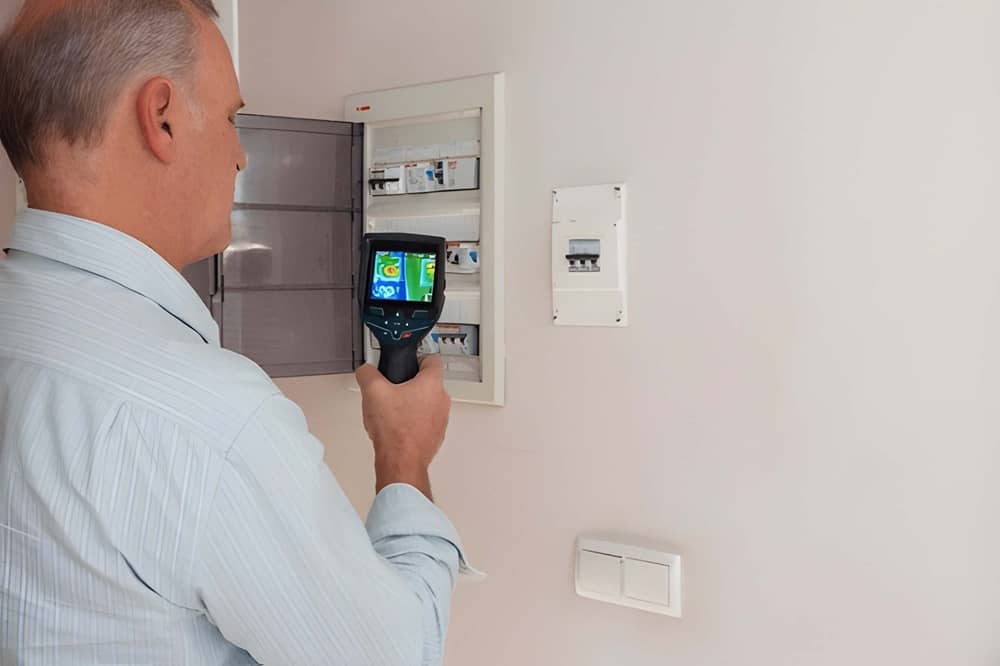
Most of us take electricity for granted. We flip a switch, the lights come on. We turn on the toaster, and breakfast is ready. Because electricity is so integrated into our daily routines, it’s easy to forget that it’s a powerful force that can be dangerous. When something goes wrong, it may be a minor […]
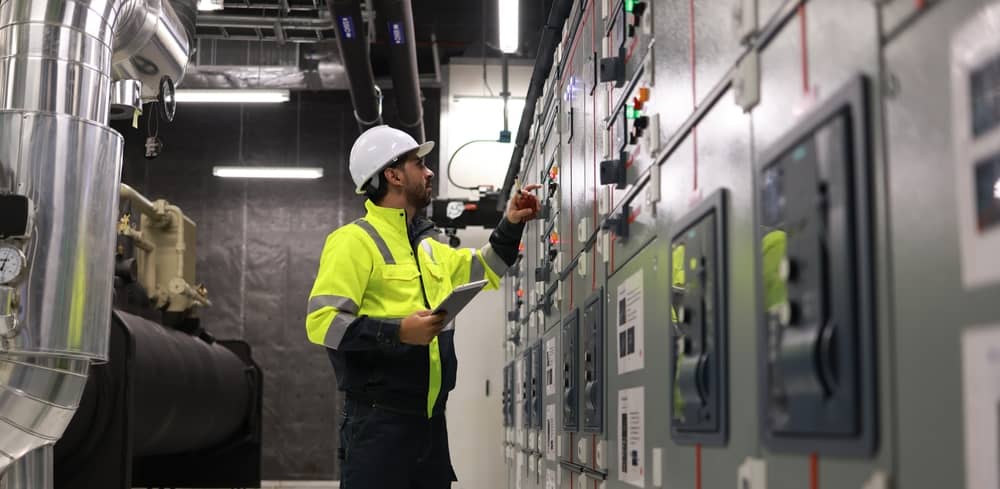
Maintaining a commercial property involves a massive list of responsibilities. From overseeing daily operations to managing sudden issues, the workload is significant. However, the most critical aspect of property management is often hidden behind the walls. Electrical systems are essential to the functioning of any commercial establishment, powering everything from high-end computer servers to basic […]
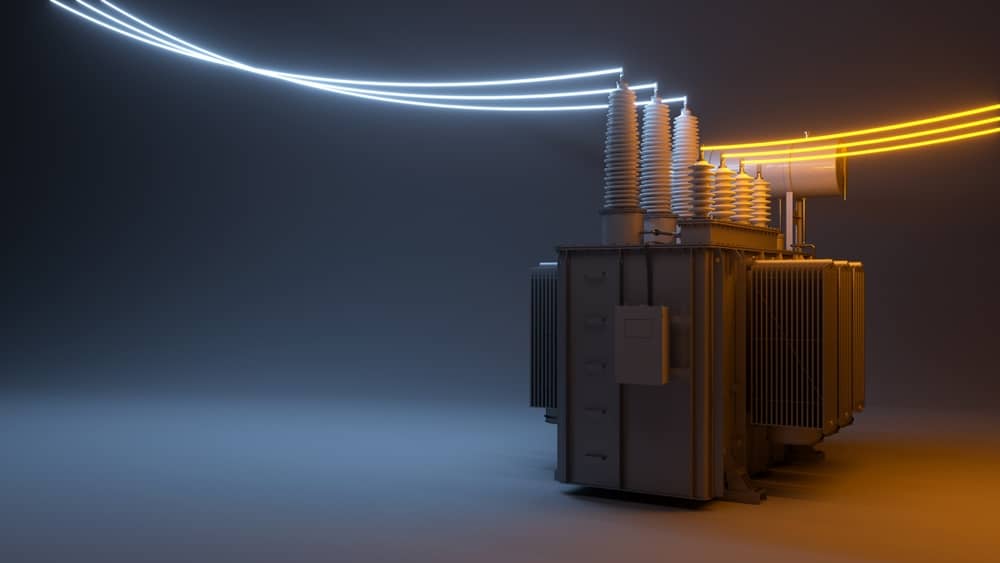
In order to run a successful business in Melbourne, a consistent and reliable electricity supply is nonnegotiable. As operations grow, you might find that your existing electrical systems are struggling to keep up with the demand of modern technology, heavy machinery, or large-scale climate control. At Maroondah Electrical and Data, we help local business owners […]
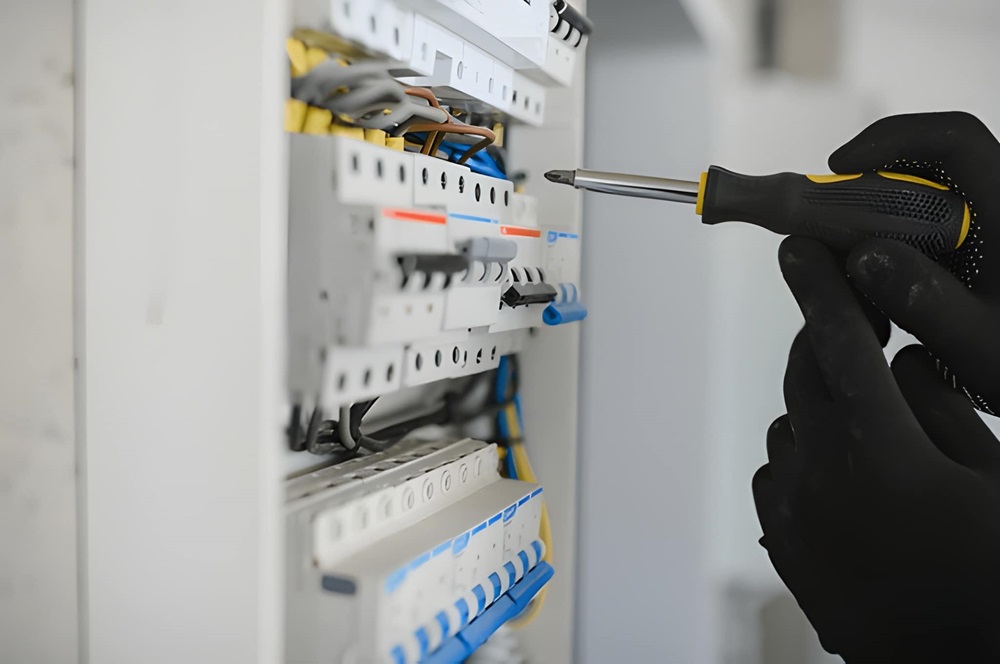
Older Melbourne homes have a lot of character, from ornate cornices to timber floors, but too often they come with one less charming feature: outdated electrical systems. As a result, a large number of properties are simply unable to accommodate the electrical demands of life in 2025. These days, homes run multiple high-powered appliances, operate […]
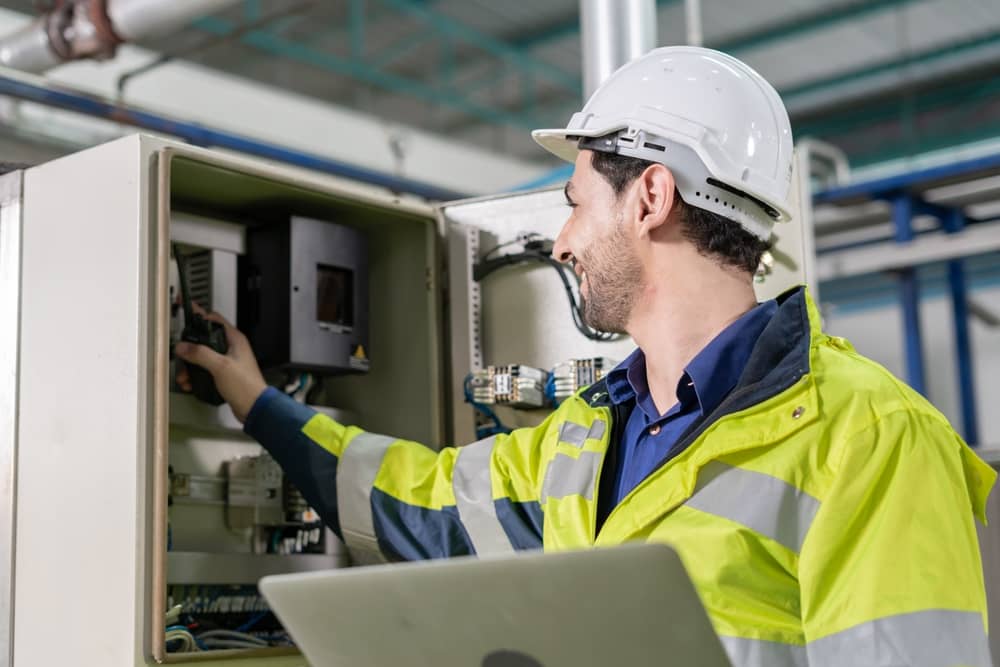
Most people barely think twice about their switchboard, at least until something goes wrong. However, this small, wall-mounted box is one of the most important safety features in any home or business. It’s the first line of defence against overloaded circuits, electrical shocks, and even fires. The real question is this: how do you know […]