- We are ready to help. Call Us!
 03 9738 2000
 - Get in Touch
03 9738 2000Maroondah Electrical is dedicated to expanding our service coverage to meet the needs of our customers. Meanwhile check My Sparkie Electrician, a trusted name in the industry, to provide reliable electrical services in Sydney.
Need a quote? Give us your information below and we will get back to you.

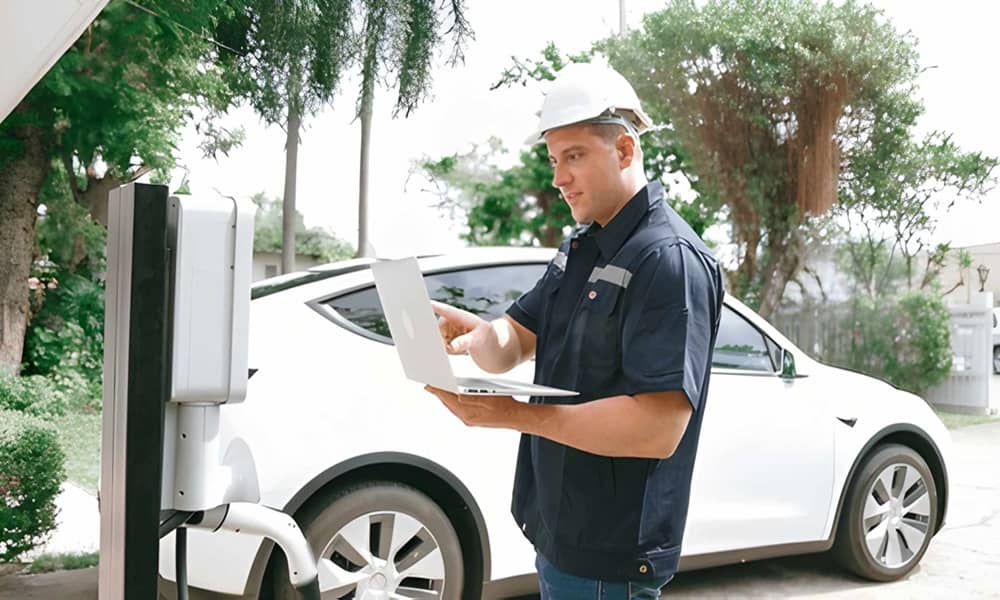
Electric vehicles (EVs) are designed to make life simpler and owning a car more affordable. Simply plug in, charge overnight, and wake up to a full battery, and there’s no need to fill up with expensive fuel.
However, if you notice that the EV charger keeps tripping the breaker, that convenience quickly turns into frustration. Repeated tripping is a warning sign that you have an underlying electrical issue, and certainly isn’t something to ignore.
From an electrician’s perspective, a tripping breaker isn’t random, it’s a protective response. Understanding why it happens and how to fix it is the key to safe, reliable charging. Keep reading to find out more.
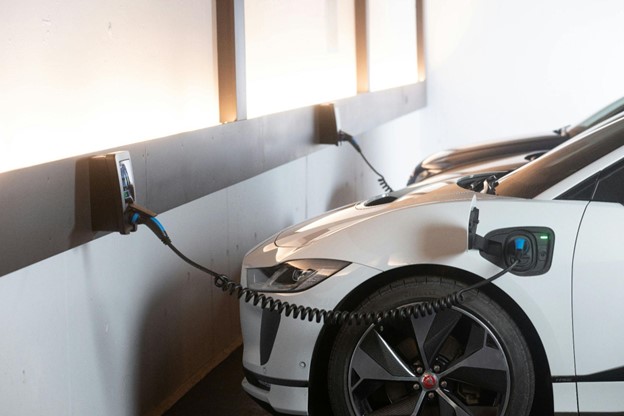
A circuit breaker is a critical safety device that is designed to protect an electrical system from damage caused by excessive current. It operates by detecting when the current flowing through a circuit exceeds the safe capacity of the wiring or connected devices. When this happens, the breaker interrupts the flow of electricity, preventing overheating, electrical faults, and equipment damage.
EV chargers, particularly those that operate at Level 2 or higher, draw substantial amounts of power over extended periods. Unlike typical household appliances that run intermittently, EV chargers impose a continuous electrical load for several hours. This prolonged demand increases the risk of tripping a breaker if the system is not properly designed to handle sustained high currents.
It is important to recognise that a tripping breaker is not a malfunction but a protective measure. When it occurs, it signals that either the load exceeds the circuit’s capacity, there is a fault in the wiring, or some other condition threatens the safety of the electrical system.
Circuit breakers and Residual Current Devices (RCDs) are safety devices designed to protect both people and property. A breaker disconnects a circuit when current exceeds its rated capacity, preventing overheating, insulation damage, and fire. RCDs detect leakage currents and disconnect the circuit to protect against electric shock.
EV chargers, especially single-phase units, draw a continuous high current over long periods. Unlike standard appliances, which cycle on and off, an EV charger may operate for several hours at 32–48 A. This sustained load can quickly push a circuit close to its limit. When a breaker trips, it is performing its safety function signalling that something in the system is not coping with the load.
There are a number of reasons why your electric vehicle charger keeps tripping the breaker, including:
The most frequent cause of breaker tripping is a circuit that simply can’t handle the load. EV chargers draw significant power, typically 32 to 48 amps for Level 2 charging. If your circuit isn’t rated for that continuous load, it will trip regularly.
Electricians around Melbourne, from Bayswater, Blackburn and Greensborough follow the “80% rule” under AS/NZS 3000. This means that a circuit should not carry more than 80% of its rated capacity continuously:
If your charger exceeds that, the breaker will trip to prevent overheating. This sustained high current places a much greater and more consistent demand on the electrical system than most household appliances ever do.
Because the load is both high and prolonged, it can quickly expose weaknesses in the wiring, breaker capacity, or protective devices, which is why EV charging requires careful consideration of circuit design and electrical safety.
Sometimes the issue isn’t just the load, it’s the overall system design. If the breaker or wiring is too small for the electrical demands of the EV charger, it creates a mismatch between the power required and the capacity of the circuit.
This imbalance can cause the breaker to trip repeatedly as a protective measure and may also result in excessive heat buildup in the wiring. Over time this can degrade insulation which increases the risk of fire. Simply upgrading the breaker without upgrading the wiring is not a safe solution.
Both the breaker and the wiring must be appropriately rated for the charger’s continuous load to ensure the system operates safely and reliably. Failing to do so can lead to serious safety hazards, including overheating, electrical damage, and potential fire risk.
Loose connections, corroded terminals, or damaged wiring can create resistance and heat that triggers the breaker.
Electricians around Malvern often find issues such as:
The neutral wire completes the circuit by carrying current back to the source. If it’s loose, the voltage in the circuit can become unstable. This not only trips breakers but can also cause surges that fry sensitive electronics like TVs or computers.
If you smell a “fishy” or “burning plastic” odor near an outlet, the insulation is likely failing. Once the protective coating melts away, live wires can touch each other, causing a short circuit or touch a grounding wire causing a ground fault.
Over years of use, the spring tension in outlets and switches weakens. When a plug feels loose in the socket, it creates a poor connection that generates heat every time an appliance is turned on.
Mice and rats often chew on wire insulation because it’s a soft material that they chew on to help maintain the health of their teeth. This leaves raw, copper wire exposed inside your walls, which is a leading cause of “mystery” fires that start where homeowners can’t see them.
Australian RCDs are designed to detect leakage currents and disconnect power to protect against electric shock. However, even minor current leakage through damaged insulation, moisture, or grounding faults can trip the device.
Ground faults are common in outdoor installations where exposure to moisture is likely. Continuous leakage triggers the RCD or breaker, stopping power to the charger and safeguarding both the user and the home.
Not all RCDs are compatible with EV chargers. Some chargers produce small DC leakage currents that can cause standard Type AC RCDs to trip unnecessarily. In Australia, Type A or Type B RCDs are recommended for EV chargers, as they are designed to handle these leakage characteristics. Using the wrong type of RCD can lead to repeated trips even when the system is otherwise functioning correctly.
Breakers and RCDs can degrade over time. A faulty or worn device may trip below its rated capacity or fail to reset properly, giving the impression that the charger is the problem. Testing or replacing defective protection devices often resolves repeated tripping issues if all other components are sound.
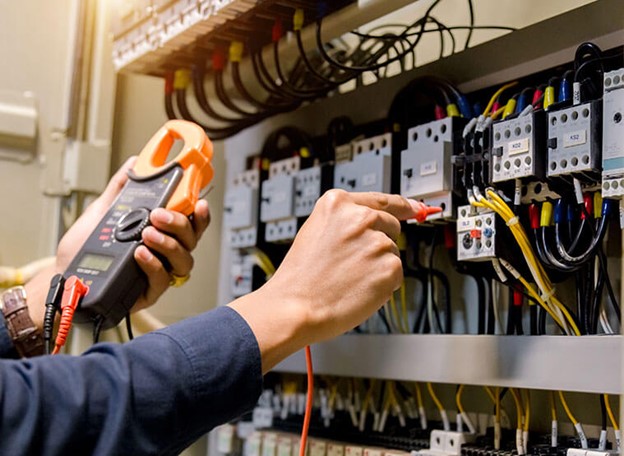
Occasionally, the issue lies within the charger itself. Internal components, wiring, or insulation may degrade over time, leading to trips. High temperatures, surges, or manufacturing defects can also cause the protective mechanisms to activate. Ensuring the charger is in proper working order is part of a thorough diagnostic process.
External conditions such as moisture, extreme heat, or voltage fluctuations can contribute to trips. Outdoor chargers are particularly vulnerable to these influences. Moisture ingress may lead to leakage currents, high temperatures increase resistance in wires, and voltage fluctuations can cause protective devices to trip unnecessarily. Proper installation and weatherproofing are essential to minimise these risks.
Preventive maintenance is key to avoiding repeated breaker trips and ensuring safe, efficient EV charging. By taking a proactive approach, homeowners can reduce the risk of electrical faults, improve charger longevity, and protect their property.
Check the circuit wiring, terminals, and connectors periodically. Look for signs of wear, corrosion, frayed insulation, or loose connections. Even small issues can increase resistance, generate heat, and lead to RCD or breaker trips. Regular inspections help identify problems before they become serious.
Proper earthing is critical for safety and preventing nuisance tripping. Verify that the circuit supplying the EV charger is correctly earthed according to Australian standards (AS/NZS 3000). At Maroondah Electrical, our qualified electricians can test the earthing and bonding system and ensure it remains compliant and effective.
Moisture, dust, and debris can cause leakage currents, corrosion, and faulty operation. For outdoor chargers, ensure they are installed under cover or in a weatherproof enclosure, and check seals and cable entry points for water ingress. Indoor chargers should also be kept away from areas prone to spills or humidity.
If your EV charger allows current adjustment, ensure it is set appropriately for the circuit. Avoid running multiple high-demand appliances on the same circuit while charging. Maintaining a manageable load reduces the likelihood of trips and prevents unnecessary stress on the wiring.
RCDs and circuit breakers can degrade over time. Test them regularly to ensure they operate properly. In Australia, most RCDs have a test button; pressing it should trip the device immediately. If the device fails the test, replace it immediately with an appropriately rated unit.
Engage a licensed electrician to perform periodic inspections of your EV charging circuit. They can verify wiring integrity, breaker sizing, RCD compatibility, and overall compliance with AS/NZS 3000. Professional assessments help prevent minor issues from becoming major hazards.
Never attempt to modify wiring, upgrade breakers, or bypass protective devices yourself. EV charging systems involve high current and continuous loads, and improper modifications can create fire risks, damage the charger, and void warranties.
Maintain records of all electrical work, inspections, and charger maintenance. This ensures continuity of safety checks, helps electricians understand your system history, and can be useful for insurance purposes.
A tripping EV charger breaker is a warning sign, not just a nuisance. It’s a sign that the electrical system or equipment requires attention. The primary causes are often related to excessive load, improper installation, aging components, or environmental factors.
Here at Maroondah Electrical our team of electricians are fully licensed, insured, and well-versed in various EVSE systems. We service all the Eastern Suburbs from Camberwell, Hawthorn, Vermont to Seville and locations all across Melbourne.
To book an inspection, simply call 03 9738 2000 or contact us online anytime.
Most of us take electricity for granted. We flip a switch, the lights come on. We turn on the toaster, and breakfast is ready. Because electricity is so integrated into our daily routines, it’s easy to forget that it’s a powerful force that can be dangerous. When something goes wrong, it may be a minor […]
Maintaining a commercial property involves a massive list of responsibilities. From overseeing daily operations to managing sudden issues, the workload is significant. However, the most critical aspect of property management is often hidden behind the walls. Electrical systems are essential to the functioning of any commercial establishment, powering everything from high-end computer servers to basic […]
In order to run a successful business in Melbourne, a consistent and reliable electricity supply is nonnegotiable. As operations grow, you might find that your existing electrical systems are struggling to keep up with the demand of modern technology, heavy machinery, or large-scale climate control. At Maroondah Electrical and Data, we help local business owners […]
A common question we often get from many first-time EV owners is “do I need a dedicated circuit for an EV charger?” If you’ve found yourself wondering the exact same thing, we’re here to provide some answers. Electrical vehicle chargers interact with your home’s electrical system in ways that demand careful planning, correct protections, and […]
Older Melbourne homes have a lot of character, from ornate cornices to timber floors, but too often they come with one less charming feature: outdated electrical systems. As a result, a large number of properties are simply unable to accommodate the electrical demands of life in 2025. These days, homes run multiple high-powered appliances, operate […]