- We are ready to help. Call Us!
 03 9738 2000
 - Get in Touch
03 9738 2000Maroondah Electrical is dedicated to expanding our service coverage to meet the needs of our customers. Meanwhile check My Sparkie Electrician, a trusted name in the industry, to provide reliable electrical services in Sydney.
Need a quote? Give us your information below and we will get back to you.

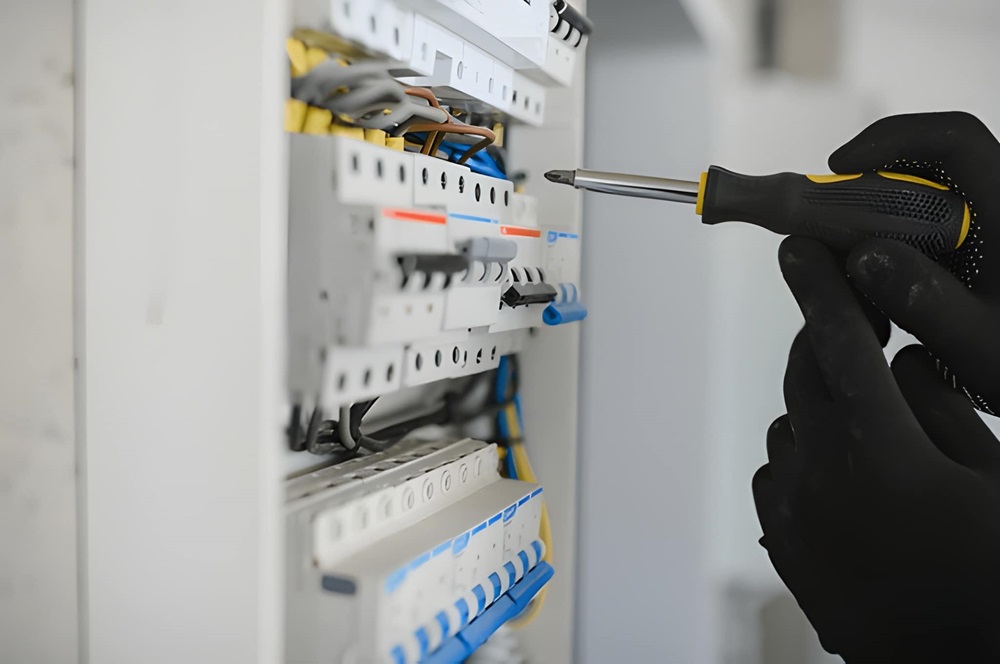
Older Melbourne homes have a lot of character, from ornate cornices to timber floors, but too often they come with one less charming feature: outdated electrical systems. As a result, a large number of properties are simply unable to accommodate the electrical demands of life in 2025.
These days, homes run multiple high-powered appliances, operate with smart technology, and even need to power our WFH setup. This leaves homeowners with an important decision: should you opt for a complete rewiring or just partial wiring repairs?
In our guide, we’ll explore key differences between full rewiring and targeted repairs, warning signs your home may need an electrical upgrade, and expert advice from electricians who specialise in this exact issue.
The electrical systems in older properties, including any homes, units and apartments built before the 1980s, naturally deteriorate over time.
Let’s take a look at some of the reasons behind this. Many common wiring types from earlier decades (such as fabric-insulated wiring, rubber insulation, aluminium wiring, or even knob-and-tube systems) tend to degrade, leaving conductors or loose connections bare. The resulting issues often include:
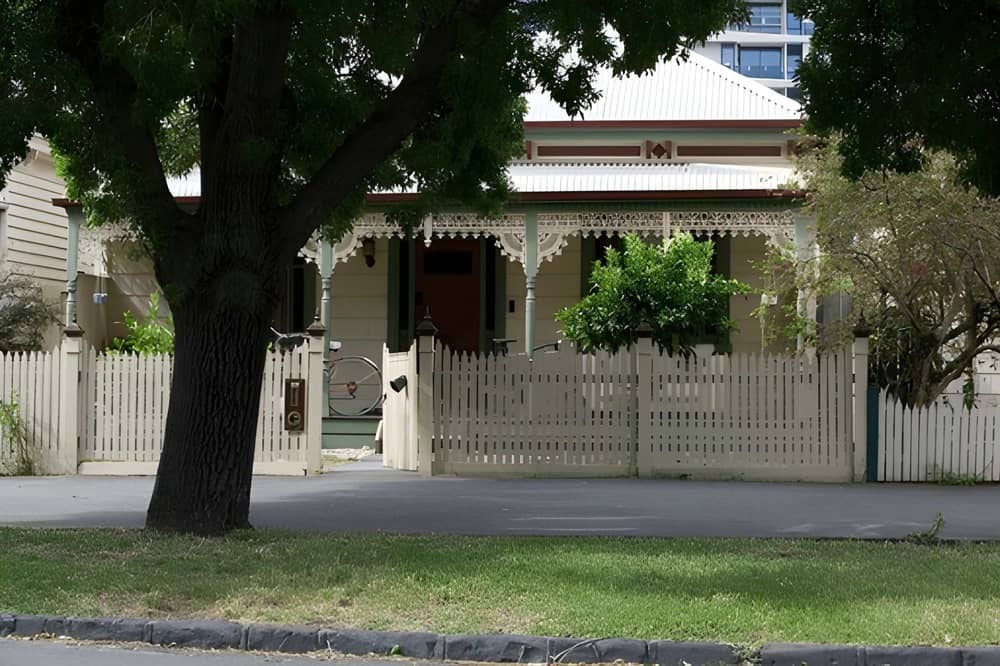
So, you’ve got an older property and the electrical systems are a little outdated.
Option 1: partial rewiring.
Partial wiring repairs are often the modus operandi when a specific issue has occurred, like a faulty outlet or a tripping circuit. This is why the repairs themselves involve identifying the affected section of the wiring, then replacing or fixing a particular portion of the system.
Cost-effective in the short term: Only paying for the repairs you need.
Quick solution: Repairs are often completed within a few hours or a day.
Minimal disruption: Less invasive work compared to a full home rewire.
Temporary solution: Older wiring often has multiple issues, so fixing one fault may not prevent future problems.
Hidden dangers remain: Damaged wiring elsewhere in the house can continue to pose fire risks or electrical hazards.
Limited capacity upgrade: Partial repairs don’t increase your system’s ability to handle modern electrical loads, which can lead to repeated issues like tripping breakers or dimming lights.
While partial repairs may be appropriate for isolated faults or in cases where a home has relatively modern wiring, they rarely address the bigger picture in older properties.
Option 2: Full rewiring
This process involves replacing all the existing electrical cables, outlets, switches, and main switchboard. It will be a fairly significant investment, but certainly one that provides peace of mind and long-term safety.
Comprehensive safety: All wiring is replaced, eliminating degraded materials and hidden hazards.
Support for modern loads: New wiring ensures your home can safely handle air conditioners, induction cooktops, home offices, and other high-demand appliances.
Compliance with regulations: Rewiring brings your home up to current Australian standards (AS/NZS 3000) and Energy Safe Victoria requirements.
Reduced risk of fire and electrical faults: A rewired home is less likely to experience overheating outlets, sparks, or electrical shocks.
Higher upfront cost: Complete rewiring requires more time, materials, and labour than a partial repair.
More invasive work: Walls and ceilings may need to be opened to install new cabling, though experienced electricians can/will minimise disruption.
In most older Melbourne homes, a full rewire is considered the safest long-term option, particularly if the property has outdated wiring types or multiple fault points.
Even if your home is functioning adequately, it’s important to watch for signs of deteriorating wiring. Some of the key indicators include:
Trying to find electricians in Camberwell, Glen Waverley or Templestowe? We’re always ready to answer the call. We’ll send a qualified technician to check your electrical wiring as soon as it can be arranged.
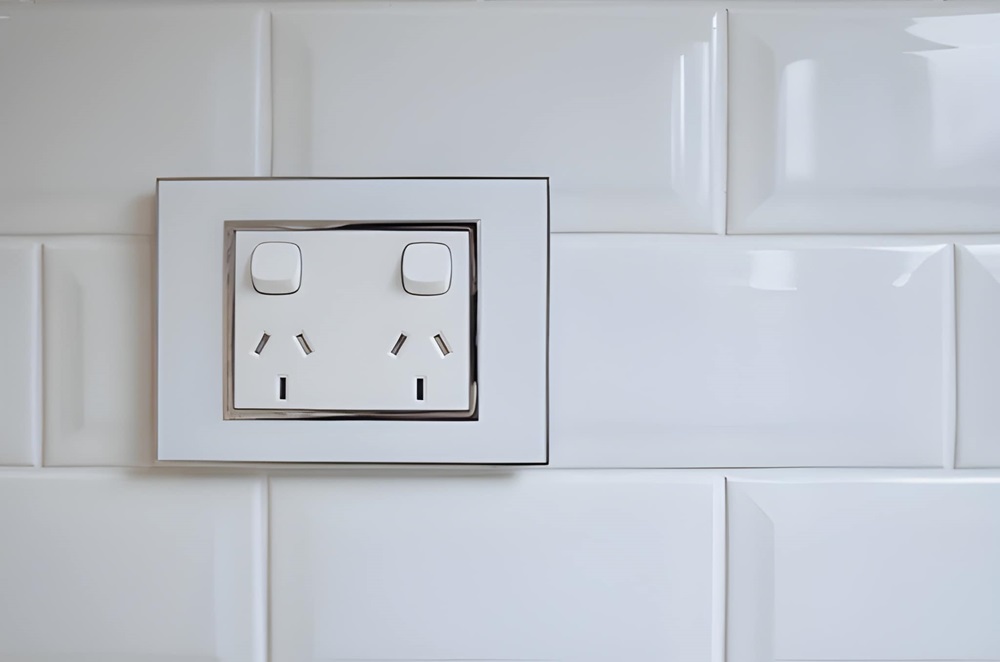
Homes that exhibit several of these signs are often candidates for a complete rewiring rather than patching repairs.
Professional assessment is critical to determine whether a full rewire or partial repair is appropriate. Experienced electricians in Melbourne follow a thorough process:
Full electrical safety inspection: Examining wiring, outlets, switchboards, and safety switches for hidden faults.
Checking switchboards and circuits: Old fuse boxes or overloaded circuits often require upgrades.
Identifying unsafe wiring types: Fabric-insulated, rubber, aluminium, or knob-and-tube wiring is replaced with modern compliant cabling.
Providing a detailed rewiring plan and quote: Homeowners receive a clear, written estimate outlining work required and costs involved.
During inspection, electricians consider the property’s age, the condition of existing wiring, and the home’s current and anticipated power demands.
From electrical rewiring to scheduled maintenance, we deliver on-time services built on a strong foundation of honesty and integrity. You’ll receive our full attention and a safety assessment that leaves no stone unturned.
Rewiring is a structured process designed for safety and efficiency:
Deciding between rewiring and partial repairs depends on the condition of your home’s electrical system, its age, and your household’s electrical demands.
Ultimately, a professional electrician’s assessment is the safest way to make an informed decision. Rewiring may have higher upfront costs, but it eliminates ongoing risks and reduces future repair expenses.
Electrical safety issues are often unexpected, and the longer a property goes unchecked, the greater the risk will be.
Our assessments are delivered on-time with a fixed price, all part of our honest and transparent services. We have 25+ years of industry experience and utilise the latest techniques and equipment to make sure that every safety assessment or rewiring project is done right the first time, every time.
So, if you really want the peace of mind that everything is safe and compliant with Australian electrical safety guidelines, booking a safety assessment is a no-brainer!

Whether it’s partial or full-scale rewiring, hiring the right electrician is the most important step of all. At Maroondah Electrical, we have fully licensed and highly knowledgeable, experienced electricians in Melbourne who have carried out this service countless times.
You can turn to us for:
Whether your home requires minor repairs or a full electrical upgrade, Maroondah Electrical delivers safe, reliable, and professional service. Book your safety assessment today!

Electric vehicles (EVs) are designed to make life simpler and owning a car more affordable. Simply plug in, charge overnight, and wake up to a full battery, and there’s no need to fill up with expensive fuel. However, if you notice that the EV charger keeps tripping the breaker, that convenience quickly turns into frustration. […]
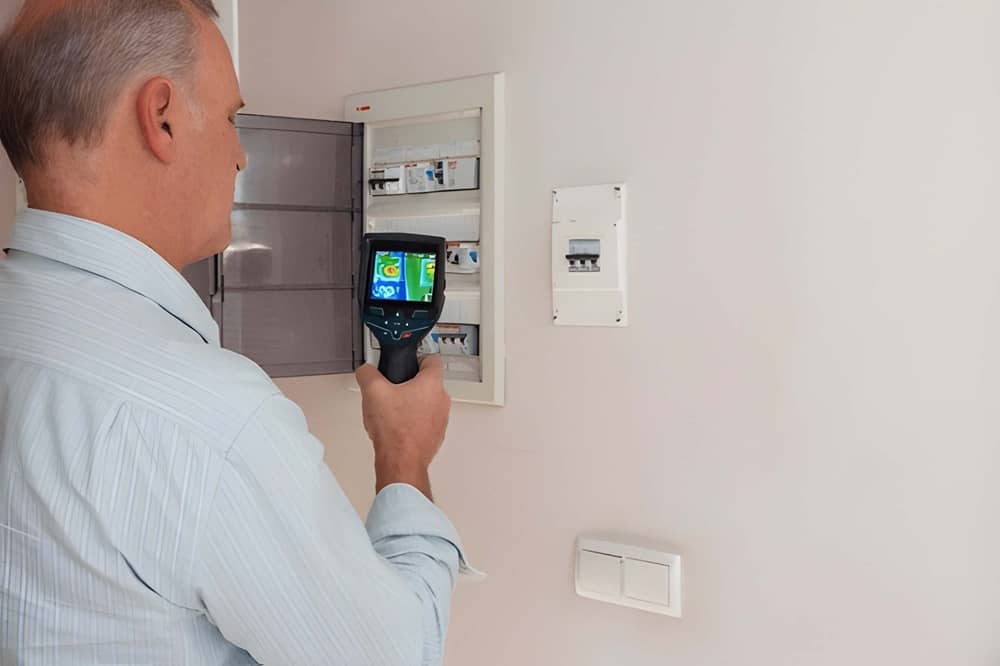
Most of us take electricity for granted. We flip a switch, the lights come on. We turn on the toaster, and breakfast is ready. Because electricity is so integrated into our daily routines, it’s easy to forget that it’s a powerful force that can be dangerous. When something goes wrong, it may be a minor […]
Maintaining a commercial property involves a massive list of responsibilities. From overseeing daily operations to managing sudden issues, the workload is significant. However, the most critical aspect of property management is often hidden behind the walls. Electrical systems are essential to the functioning of any commercial establishment, powering everything from high-end computer servers to basic […]
In order to run a successful business in Melbourne, a consistent and reliable electricity supply is nonnegotiable. As operations grow, you might find that your existing electrical systems are struggling to keep up with the demand of modern technology, heavy machinery, or large-scale climate control. At Maroondah Electrical and Data, we help local business owners […]
A common question we often get from many first-time EV owners is “do I need a dedicated circuit for an EV charger?” If you’ve found yourself wondering the exact same thing, we’re here to provide some answers. Electrical vehicle chargers interact with your home’s electrical system in ways that demand careful planning, correct protections, and […]